Structure Trust Through Transparent and Verified Author Credentials

The Advancement of Browse Authority in 2026
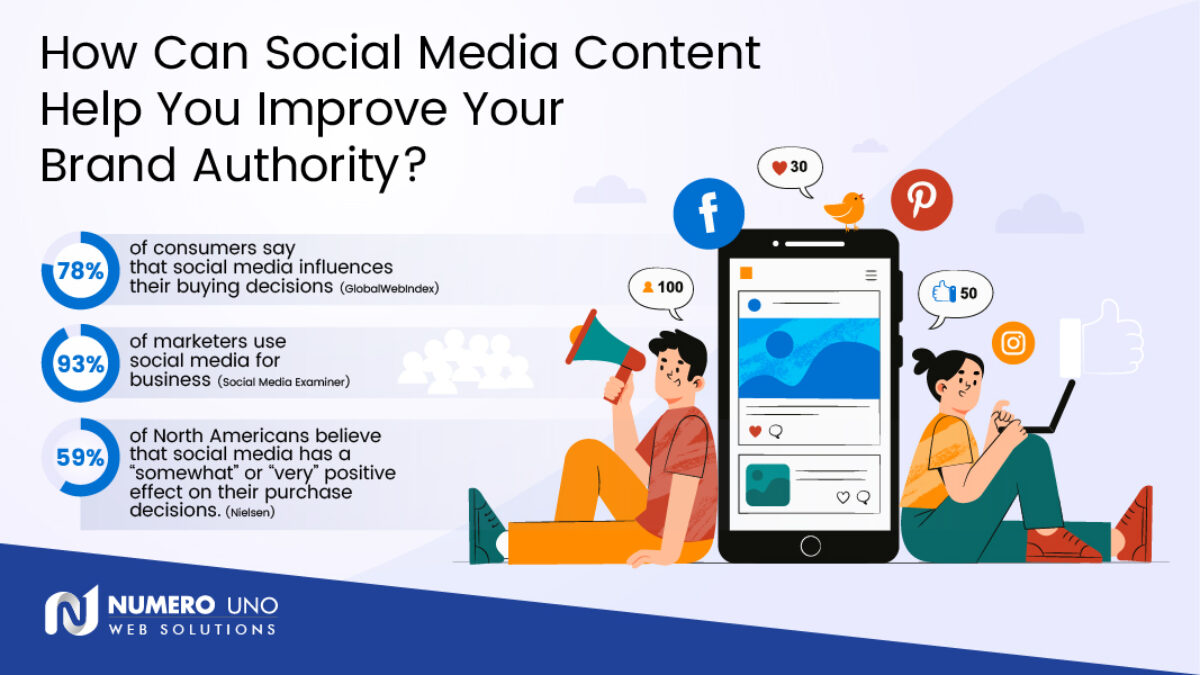
By the start of 2026, the search environment has shifted away from merely matching keywords to verifying the identity and intent of the person behind the material. With the saturation of automated text across the internet, search engines have improved their focus on Experience, Competence, Authoritativeness, and Dependability (E-E-A-T) This focus is no longer limited to on-page signals. Rather, algorithms now take a look at the whole digital footprint of an author or brand to figure out if the information provided is reputable. Social proof has actually transitioned from a marketing benefit to a core requirement for visibility in organic search results page.
In this 2026 setting, the "Experience" component of E-E-A-T brings more weight than ever previously. Algorithms are designed to identify if an author has actually utilized an item, lived in a city, or performed a specific service. This is often verified through social signals that prove a real-world connection to the subject. If an author blogs about professional operations in a specific region, online search engine check for matching activity on expert networks, local forums, and social media platforms to validate that this individual exists and has the background they declare.
The reliance on social proof has changed the method material is produced. It is no longer sufficient to publish an extensive post. The author should have a proven existence that recommends they are a relied on source. This shift means that social profiles are now seen as "identity anchors" that offer the information search engines require to develop an Understanding Chart entry for a private or a service. Without these anchors, even the most well-written material may struggle to rank versus rivals who have actually established a clear, human-verified existence.
Developing Reliability in Local Markets
For businesses running within specific geographic areas, regional social evidence is a substantial ranking consider 2026. Search engines prioritize material that reveals a clear connection to the regional community. This connection is often measured through points out on regional social networks groups, evaluates on region-specific platforms, and interactions with other regional entities. When a brand demonstrates constant Michael Swart Packages within a community, it indicates to online search engine that the business is a genuine authority because location.
Trust is constructed through a series of small, verifiable interactions. In 2026, a high volume of generic reviews is less important than a smaller number of comprehensive, high-quality recommendations from verified regional users. Browse engines can now compare synthetic feedback and authentic customer experiences. They look for particular information in social proof, such as mentions of local landmarks, particular industry tasks performed, or the names of personnel members. This level of information verifies that business is active and providing genuine value to its next-door neighbors.
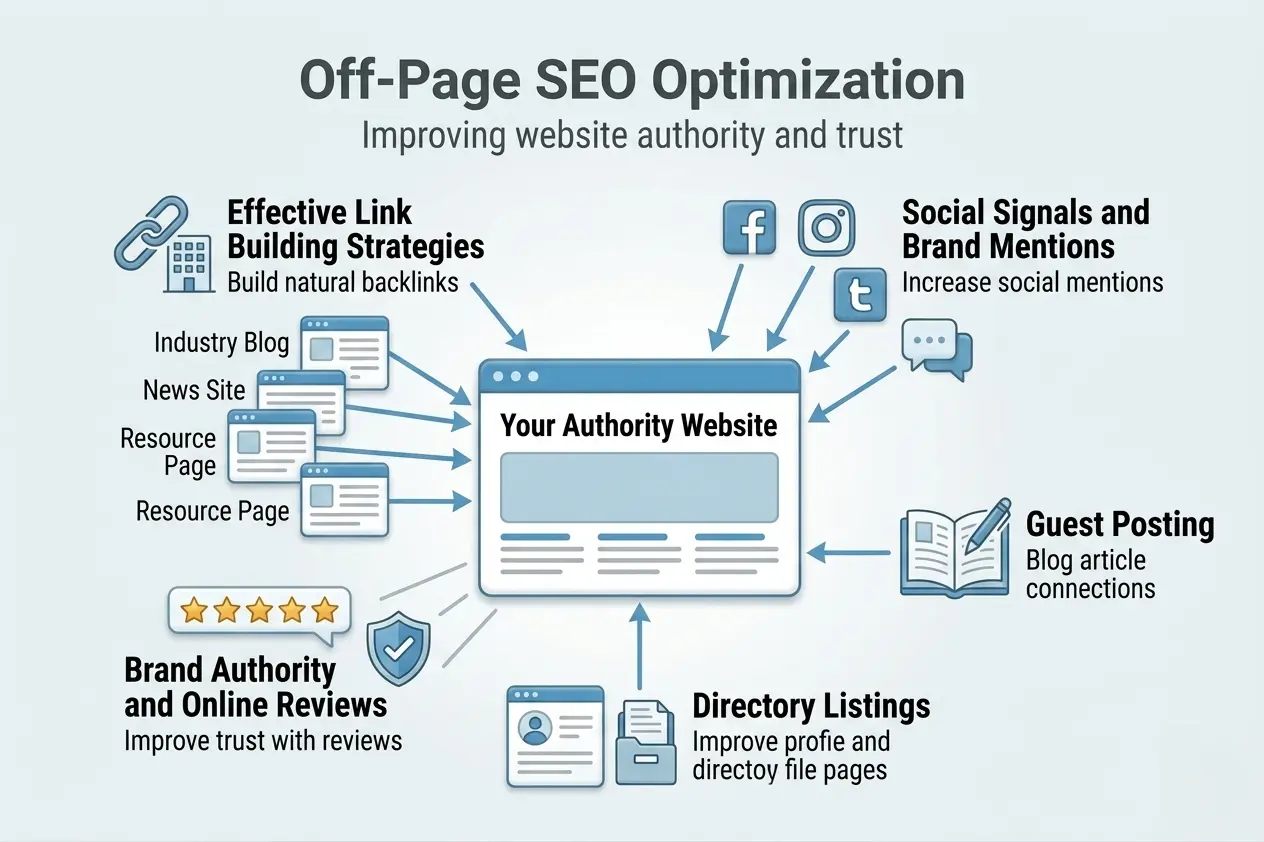
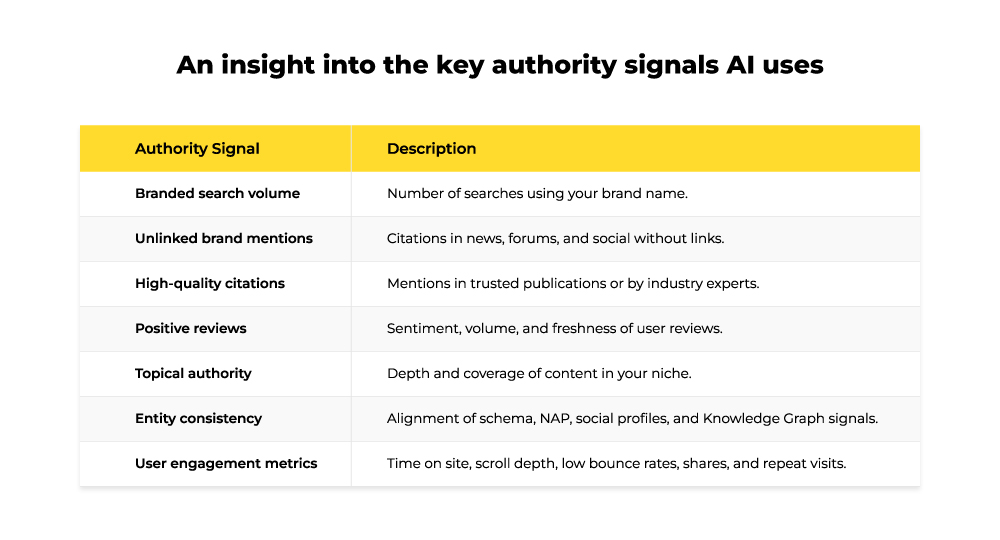
The connection in between social profiles and search rankings is enhanced by how algorithms manage "mention belief." This involves evaluating how people talk about a brand name throughout different platforms. If a brand is often discussed as a solution for specific consumer needs, online search engine associate that brand with those subjects. This association enhances the brand name's authority even if those points out do not include a direct link. In the existing 2026 environment, belonging to the digital conversation is just as crucial as traditional link-building efforts.
The Role of Specialist Profiles in E-E-A-T
Know-how is no longer a fixed claim made in an author bio. In 2026, online search engine utilize "design fingerprints" and cross-platform confirmation to guarantee that the person listed as the author is the one who composed the content. Social profiles play an important part in this verification procedure. LinkedIn, X, and specialized market online forums offer a history of an author's ideas and contributions. If an author's social activity aligns with their released posts, their E-E-A-T rating boosts.
Search engines also track "co-citation" on social platforms. This takes place when an author's name is mentioned along with other recognized specialists in the exact same field. If recognized authorities in the technical sector engage with an author's social posts, it passes a type of digital "trust equity" to that author. This network-based authority is a main manner in which online search engine verify expertise in 2026. It avoids unknown or automatic accounts from dominating search results page for sensitive topics like financing, health, or legal suggestions.
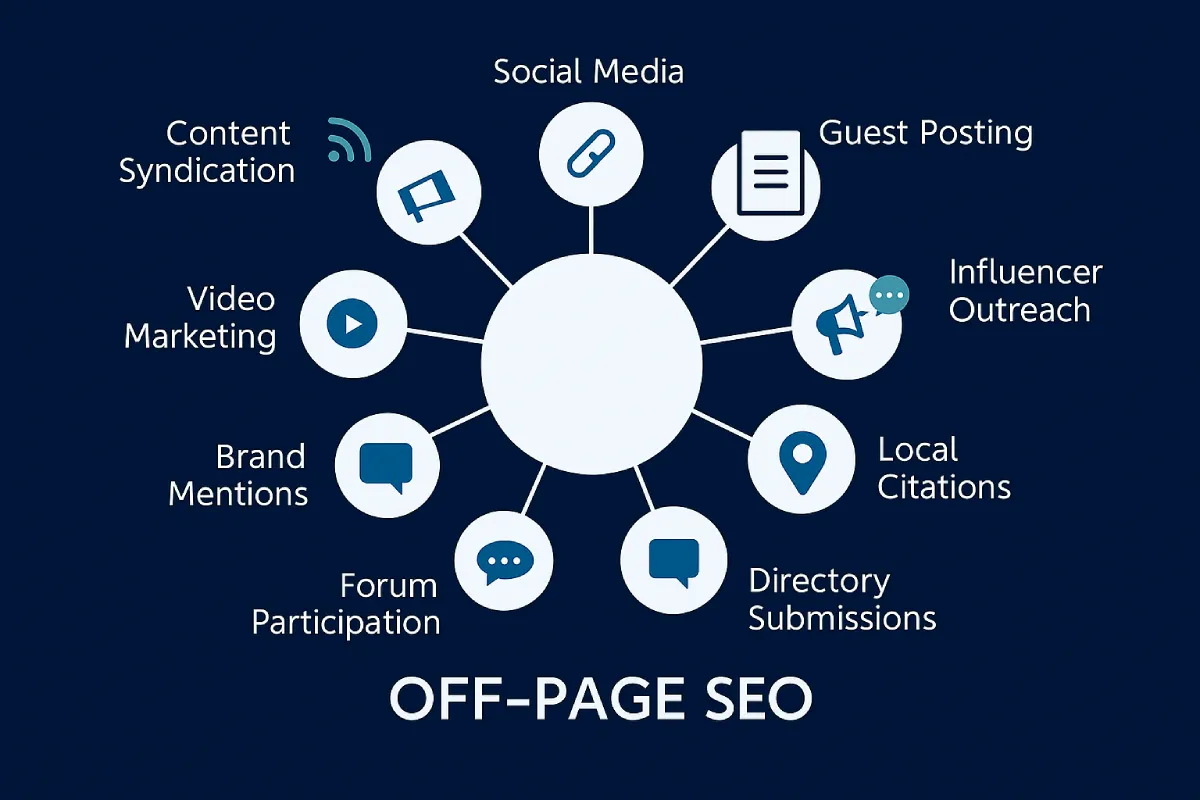
Developing a strong profile requires constant effort. Authors need to take part in discussions, share initial insights, and react to questions within their specific niche. This activity develops a path of data that online search engine utilize to validate that the author is a living individual with continuous involvement in their field. For those searching for Michael Swart SEO Backlink Packages, the existence of a verified, active author is often the choosing factor in whether they trust the details provided.
Social Sentiment as a Ranking Signal
The sentiment of social interactions has a direct influence on search visibility in 2026. While search engines have actually long claimed to utilize belief, the current algorithms are far more advanced. They can find sarcasm, nuance, and the distinction between a minor complaint and a significant credibility problem. For a service offering professional help, maintaining a favorable sentiment across social channels is a necessity for keeping search rankings.
Unfavorable social evidence can act as a "trust tax," reducing a site's visibility even if the technical SEO is perfect. If a brand name is frequently the subject of unsettled problems on social media, search engines might focus on competitors who reveal a better track record of consumer satisfaction. This makes credibility management a core part of seo. Monitoring discusses and engaging with customers in a useful, transparent manner provides the positive signals that online search engine search for when determining dependability.
In 2026, search engines likewise take a look at "engagement depth." This measures whether users are simply clicking on a post or if they are having significant interactions. Top quality social proof involves individuals asking follow-up questions, sharing their own experiences, and recommending the brand name to others. These deep interactions are harder to fake than basic likes or shares, making them a more trustworthy signal of authority for search algorithms.
Utilizing Social Signals to Verify Company Identity
Identity verification is a major difficulty for search engines in 2026. To combat the increase of fake businesses and deceitful websites, search engines depend on a "triangulation" approach. They compare the info on a site with data from social profiles, company directory sites, and government records. If the data matches across all platforms, business is granted a higher trust rating. This procedure is particularly essential for services in local regions that wish to appear in regional search results.
Social profiles offer the most regular updates to this identity information. While a website might just be upgraded periodically, social networks accounts are frequently updated daily. These updates supply search engines with "evidence of life." They show that the service is still active, still responding to consumers, and still relevant. A dormant social profile can be a red flag that the organization has closed or is no longer preserving its standards, which can cause a drop in search rankings.
Making use of structured data in 2026 has actually broadened to include detailed social profile information. By utilizing Organization and Individual schema, organizations can explicitly tell search engines which social profiles belong to them. This produces a clear link between the brand's main site and its social existence. When online search engine can easily validate these connections, they are most likely to show the brand's details in "rich snippets" and knowledge panels, further increasing the brand name's perceived authority.
The Future of Reputation and Browse
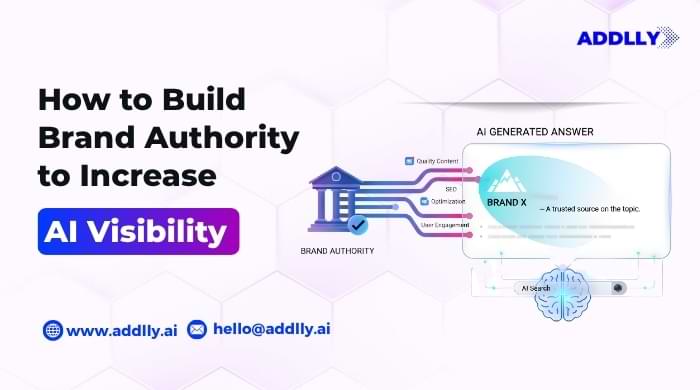
As 2026 progresses, the distinction in between a "social networks method" and an "SEO method" continues to fade. Both are now parts of a single "Track record Technique." The goal is no longer simply to get traffic, but to construct a brand that online search engine and users alike can trust. This requires a shift in state of mind from chasing after algorithms to serving individuals. Genuine social proof can not be manufactured; it should be earned through consistent quality and authentic engagement.
Brand names that concentrate on building genuine relationships with their audience in the surrounding area will find that their search rankings follow naturally. When consumers discuss their favorable experiences with specialized solutions, they are providing the most powerful SEO signal readily available. These natural mentions are the structure of E-E-A-T in 2026. They provide the human context that search engines require to make informed decisions about which content deserves to be seen.
In the coming years, the value of social evidence will just grow. Search engines will likely discover even more methods to include social information into their ranking systems. This may consist of analyzing video testimonials, tracking the movement of expert influencers, or monitoring the development of specific niche communities. For any company or author, the message is clear: your digital credibility is your search ranking. By focusing on trust and authority throughout all platforms, you can guarantee that your voice is heard in a progressively crowded digital world.
Trust is the currency of the 2026 search market. Those who purchase building a proven, specialist, and reliable presence will be the ones who are successful. This involves more than simply releasing content; it includes ending up being an acknowledged part of the conversation in your field and your neighborhood. By utilizing social profiles to anchor your identity and social evidence to confirm your claims, you can build a brand name that stands the test of time and algorithm changes.