Building a Bulletproof Digital Personality for Niche Supremacy

The Shift Toward Social-First Browse in 2026

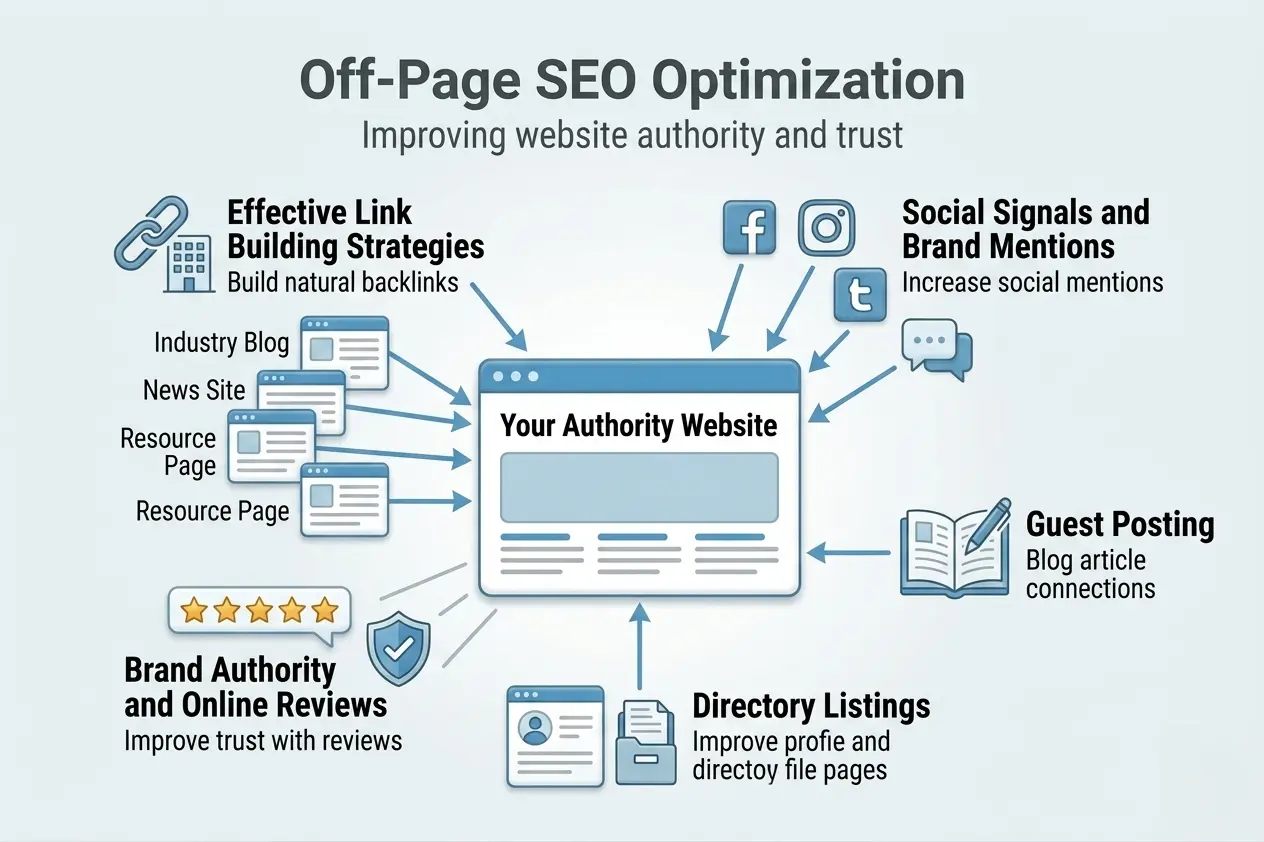
Online search engine algorithms in 2026 focus greatly on the principle of identity and verification. As the web ends up being increasingly saturated with automated content, search platforms prioritize results that show clear signs of human interaction and brand legitimacy. Social signals-- the collective likes, shares, and overall exposure of a brand name across socials media-- supply the information points essential to confirm that a service is active and relied on by real individuals. When a company develops a presence in a specific local market, its social activity serves as a validation layer for search engines seeking to rank the most pertinent and trusted sources.The connection in between social networks and search presence is no longer a matter of direct ranking aspects alone. While a tweet or a post may not directly push a webpage to the top of a search result, the traffic and brand discusses produced by those posts create a footprint that online search engine can not ignore. This footprint confirms the presence of an entity. For those supplying specialized professional solutions, having a verified profile on major platforms assists anchor their digital identity, making it easier for search engines to associate their brand name with particular keywords and locations.
How Social Profiles Establish Browse Authority
A well-optimized social profile often appears on the very first page of search engine result for brand-name inquiries. This enables an organization to manage more property on the results page, lowering competitors or third-party reviews that might not be as beneficial. In 2026, search engines deal with social profiles as reliable extensions of a primary website. If a profile for a local brand is updated regularly and shows constant engagement, it sends out a signal that business is functional and engaged with its audience.Consistency across these profiles is a major element in structure this authority. Disparities in contact info or brand name messaging can puzzle search algorithms, leading to a reduction in trust. By maintaining consistent details across every platform, from LinkedIn to niche industry forums, an organization makes sure that its "entity" is plainly defined. This clarity is a basic element of contemporary search visibility, as online search engine now rank entities instead of just strings of text. Organizations that concentrate on Asia Virtual Solutions GSA SER discover that their primary site frequently benefits from the increased trust these external profiles produce.
Enhancing Metadata and Bio Details for Browse
The bio area of a social profile is more than just a location for an amusing tagline. In 2026, these sections are indexed and used by online search engine to classify the business. Consisting of pertinent keywords and the primary core offering within these bios helps online search engine comprehend the context of the profile. This is especially beneficial for services running in their respective regions, as it enables them to appear in localized search inquiries even when the user is not straight browsing on a social platform.Links within social profiles likewise play a function, though they are often "no-follow" links. While they do not pass traditional link equity, they are important for driving recommendation traffic. Browse engines track these traffic patterns. A constant stream of visitors coming from a social profile to a site tells the algorithm that the website is a destination of worth. This user behavior is a strong sign of significance, which can indirectly improve the rankings of the linked pages.
The Correlation In Between Engagement and Search Efficiency
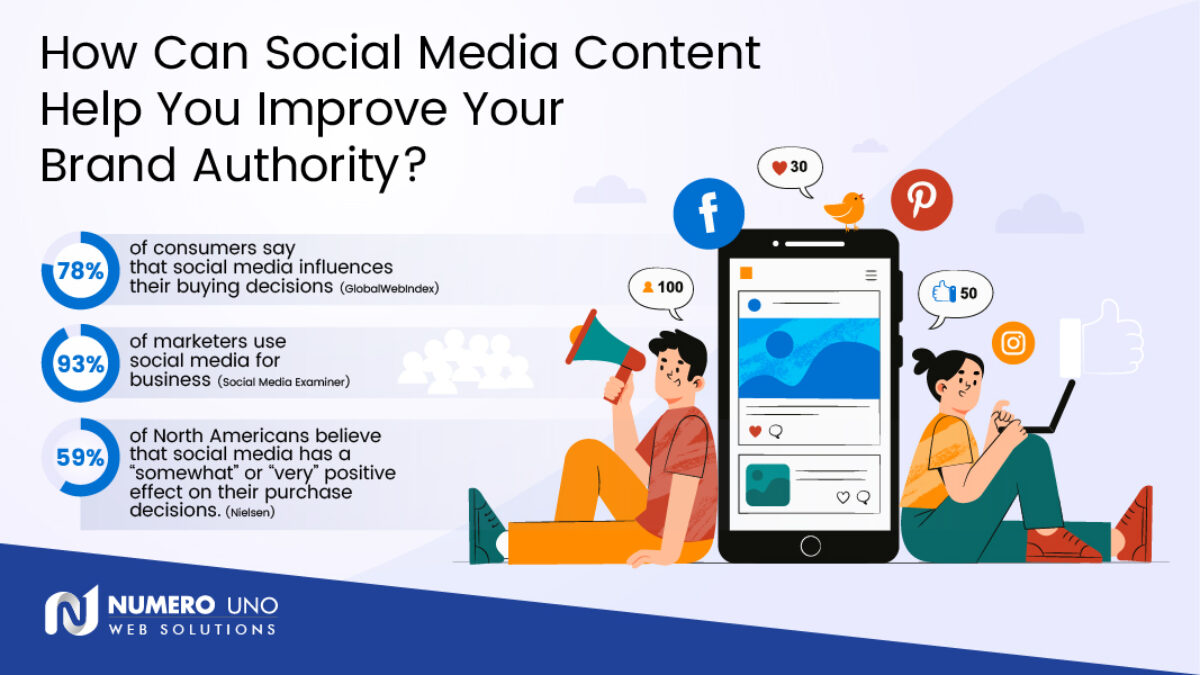
Engagement metrics like shares and remarks function as a type of social proof that search engines utilize to determine content quality. When a piece of material relating to industry developments receives high levels of interaction, it suggests to search engines that the info is useful or prompt. In 2026, the speed at which material is indexed is typically tied to how quickly it spreads on social channels. Viral or extremely shared content is crawled much faster than stagnant pages, allowing organizations to see their latest updates in search engine result within minutes.This relationship develops a feedback loop. High social engagement causes more exposure, which leads to more traffic, which in turn signals to online search engine that the material is reliable. For companies in the surrounding area, this implies that social media is not just a secondary marketing channel but a primary chauffeur of search engine efficiency. Companies that focus on Asia Virtual Solutions GSA SER see a more cohesive growth pattern where social and search efforts support one another rather than working in silos.
Social Media as a Secondary Online Search Engine
It is likewise worth noting that many users in 2026 usage social platforms as their primary online search engine, especially for discovery-based inquiries. Whether someone is trying to find a regional service provider or researching a particular product, they frequently start their search on TikTok or Instagram. If a brand is not visible here, they miss a substantial portion of the market. Search engines like Google now index these social search results page, meaning a video or a post can appear in a standard search query, offering a different method for users to find the brand.
Brand Trust and the Impact of Verified Profiles
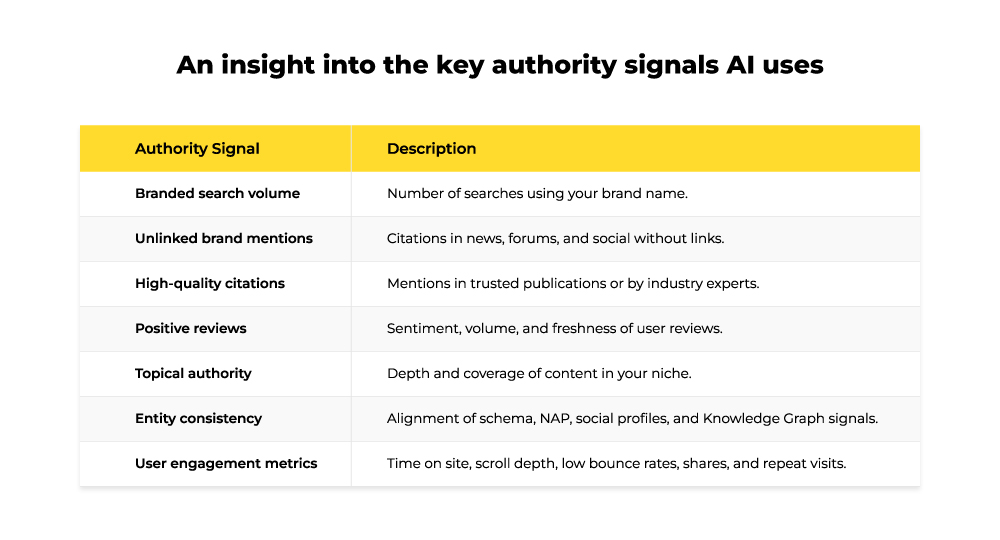
Trust is the currency of the 2026 digital economy. With the increase of synthetic media, users and search engines alike are doubtful of unverified sources. Social signals assist alleviate this suspicion. A profile with a confirmed badge, a long history of posts, and a neighborhood of active fans functions as a shield against suspect. When search engines see these trust signals, they are more likely to rank the associated site for competitive terms associated with professional industry needs. This trust extends to the individual level also. Profiles of crucial workers and leaders within a business add to the overall authority of the brand. If the experts at a firm in the local region are recognized as idea leaders on social platforms, their names end up being connected with the brand name's entity. Online search engine acknowledge this association, which enhances the brand name's E-E-A-T (Experience, Expertise, Authoritativeness, and Credibility) ratings.
Material Circulation and Indexing Speed
Social network is the most efficient distribution channel for brand-new content. In the past, companies would publish an article and wait days for it to be indexed. In 2026, sharing that same post throughout a network of active social profiles can activate nearly immediate indexing. This is due to the fact that search engine bots are constantly keeping an eye on social feeds for new links and trending topics. For a service in a growing market, this suggests their news, promos, and updates can reach a search audience much faster than through standard methods.The range of material also matters. Using a mix of video, images, and text on social networks provides more "area" for search engines to index. Each piece of content is an opportunity to appear in different types of search outcomes, such as video carousels or image packs. This multi-format approach ensures that the brand is visible despite how the user chooses to browse.
Social Listening for Keyword Research
Social signals are not almost what a brand name puts out; they are likewise about what the audience says in return. Social listening-- the procedure of keeping track of conversations around specific industry terms-- provides real-time information on how people are browsing. In 2026, the language utilized on social media frequently precedes official search patterns. By identifying these shifts early, organizations can adjust their search method to include new keywords and phrases before their competitors do.Monitoring mentions of the brand or rivals in specific markets permits a more responsive search method. If a specific problem or question ends up being a regular topic of conversation on social platforms, developing content that addresses it can lead to high search presence. This proactive method ensures that the material stays pertinent to what the audience is actually trying to find, instead of counting on out-of-date keyword information.
The Long-Term Value of Social Existence
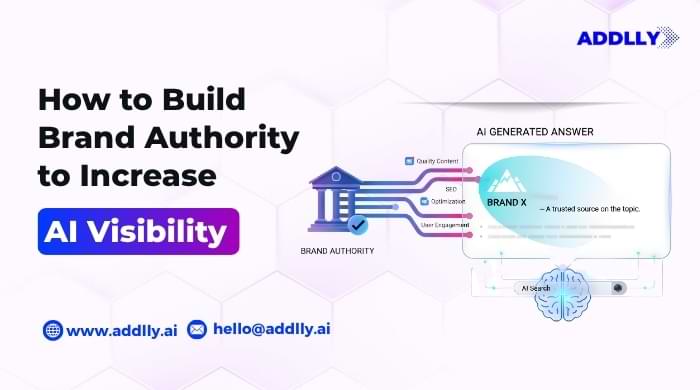
Constructing a social existence is a long-lasting investment in search visibility. While individual posts might have a short life expectancy, the cumulative impact of years of social activity develops a massive quantity of information that search engines use to confirm a brand name. This historic data is tough to fake and supplies a level of security that new sites merely do not have. For those established in their local community, this long-lasting social footprint is among their most valuable digital assets.As search engines continue to develop, the line in between social media and search outcomes will likely continue to blur. The focus will remain on finding the most "human" and credible answers to user inquiries. By using social signals to develop brand authority and trust, organizations can guarantee they remain visible in a progressively congested digital area. The synergy in between these platforms is the essential to a successful presence in 2026, where being discovered depends as much on who understands the brand as it does on what the brand knows.